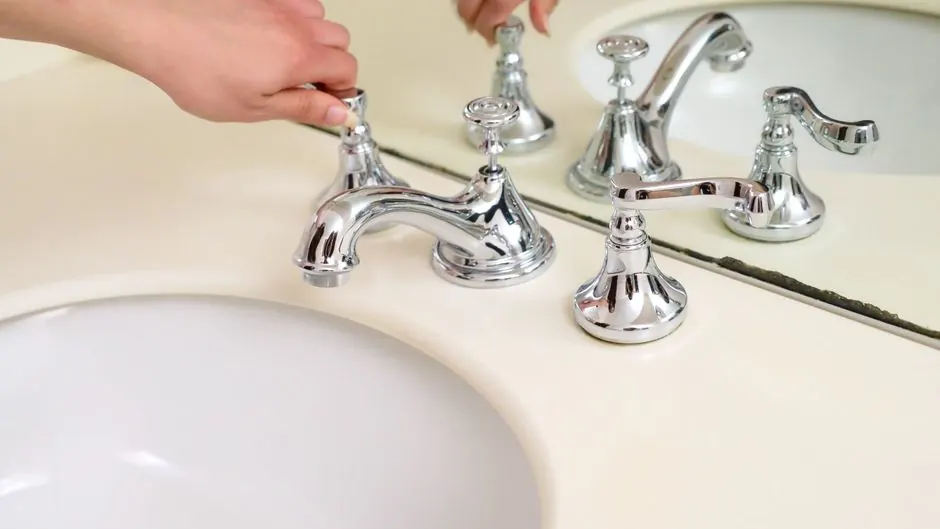
Adjusting water pressure for faucets in Salem can significantly improve their performance. Proper water pressure ensures a steady flow and prevents damage to your plumbing system. This post will cover essential tips and techniques for adjusting water pressure, common mistakes to avoid, and when it's time to call a professional.
Water pressure adjustment is a method to regulate the force of water flowing through your plumbing system, impacting how effectively your faucets operate.
Why is water pressure important for faucets?
Water pressure is crucial for faucets in Salem because it affects both functionality and efficiency. High water pressure can lead to leaks and damage to the faucet components, while low pressure may result in inadequate water flow for daily tasks.
How to adjust water pressure for your faucet
Adjusting water pressure for your faucet involves several steps. Here's a straightforward guide:
- Check the water pressure: Use a pressure gauge to measure the current pressure at your faucet. Ideal residential water pressure ranges from 40 to 60 psi.
- Locate the pressure regulator: Most homes have a pressure regulator installed near the main water supply. This device helps maintain consistent pressure throughout your plumbing system.
- Adjust the regulator: Turn the adjustment screw on the regulator clockwise to increase pressure or counterclockwise to decrease it. Make small adjustments and recheck the pressure.
- Inspect your faucet: After adjusting, check for leaks or unusual noises. If the faucet still doesn't perform well, consider cleaning the aerator or checking for blockages.
- Seek professional help: If adjustments do not resolve the issue, you may need to consult a plumber for a more thorough evaluation.
Many homeowners in Downtown Salem experience similar issues with water pressure, especially in older buildings where plumbing systems may not be up to modern standards.
Common mistakes when adjusting water pressure
Several pitfalls can occur when adjusting water pressure:
- Over-adjusting: Making drastic changes can lead to excessive pressure, causing leaks and damage.
- Ignoring other issues: Sometimes, low pressure results from clogs or faulty faucet components rather than pressure settings.
- Neglecting maintenance: Regular maintenance, including aerator cleaning, is crucial for optimal faucet performance.
In Salem, especially in areas like Salem Willows, homeowners often overlook these common mistakes, leading to ongoing plumbing issues.
When to call a professional
Calling a professional is advisable when adjustments do not yield the desired results. If you notice persistent leaks, strange noises, or fluctuating water pressure, it's time to consult a plumbing expert. At FlowFix Plumbing, we specialize in faucet repair in Salem and can help diagnose and resolve any underlying issues affecting your water pressure.
Frequently Asked Questions
1. What is a normal water pressure range for faucets?
Normal water pressure for residential faucets typically ranges from 40 to 60 psi. Anything above 80 psi may cause damage to plumbing fixtures.
2. How can I tell if my water pressure is too high?
Signs of high water pressure include frequent leaks, noisy pipes, and water hammer. If you notice these issues, check your pressure with a gauge.
3. Can low water pressure be fixed?
Yes, low water pressure can often be fixed by adjusting the pressure regulator, cleaning faucet aerators, or addressing clogs in the plumbing system.
4. How often should I check my water pressure?
It's advisable to check your water pressure at least once a year or whenever you notice changes in water flow or pressure.
5. What should I do if my faucet continues to leak after adjusting pressure?
If your faucet leaks after adjusting the pressure, it may need repair or replacement of components like washers or cartridges. Contact a professional for assistance.
Adjusting water pressure is essential for maintaining effective and efficient faucets in your home. For expert help with faucet repair in Salem, contact FlowFix Plumbing.